The Art and Science of Frame Styling: A Masterclass
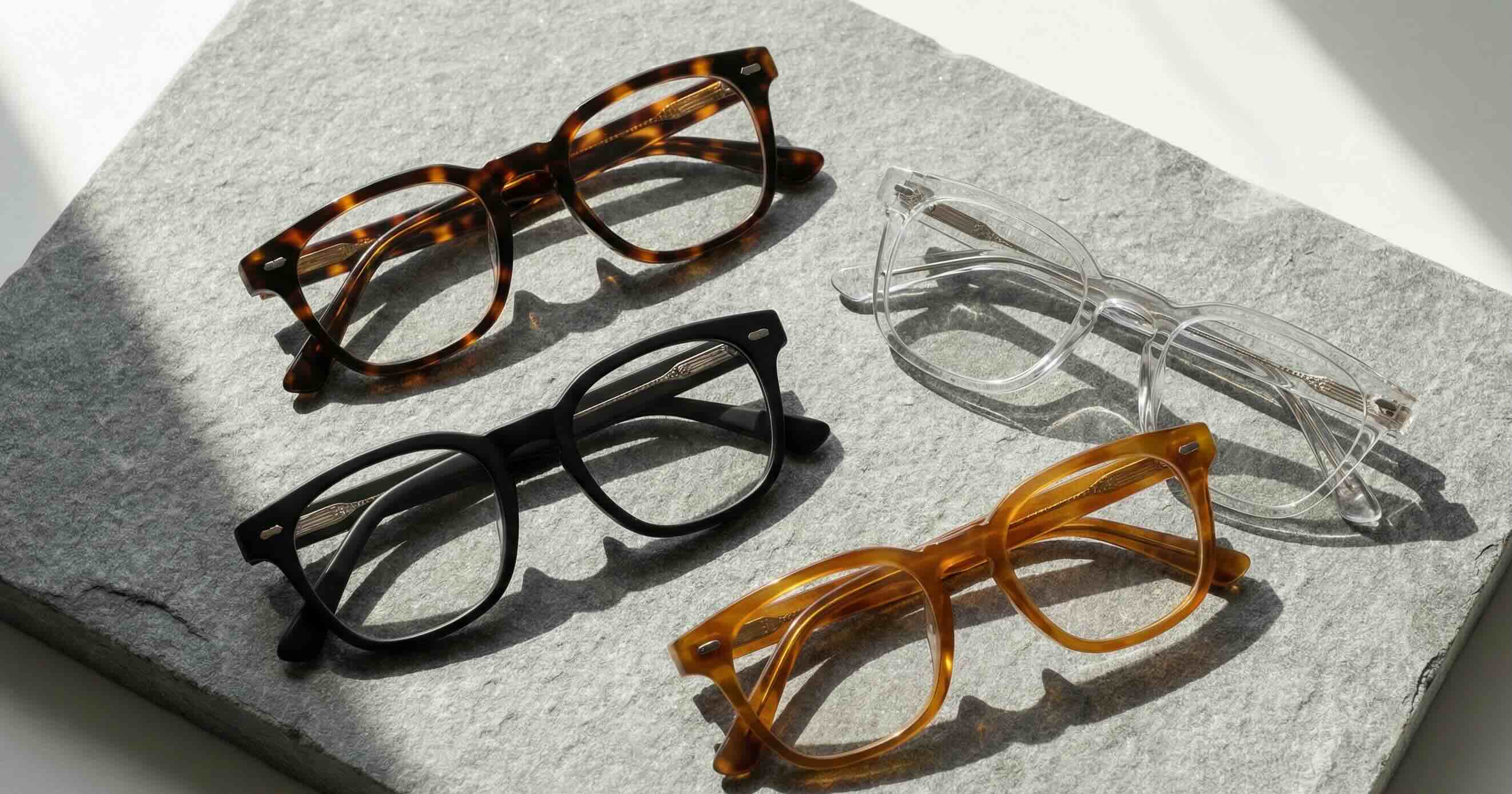
Frame styling is the intersection where fashion meets medical physics. A great optician doesn't just find a frame that "looks good." They find a frame that optimizes visual clarity, minimizes lens thickness, and ensures all-day comfort. To see how these styling skills translate into career advancement, explore detailed career paths and specialization options.
1. The Foundations: Face Shape Analysis
The "Golden Rule" of frame styling is **Contrast**. You generally want a frame shape that is the opposite of the patient's face shape. However, modern styling also considers the *proportions* of the forehead, cheekbones, and jawline.
Round Face
Angular or rectangular frames add definition and "lift" to the face.
Square Face
Round or oval frames soften strong jawlines and provide balance.
Heart Face
Bottom-heavy frames or rimless designs balance a wider forehead.
Oval Face
The "universal" shape. Most frames work, but watch the scale and width.
2. Mastering Color Theory
Frame color is determined by three main factors: **Skin Tone, Eye Color, and Hair Color**. As an optician, you should first identify if the patient has "Warm" or "Cool" undertones.
Warm Undertones
Skin has peach, yellow, or golden hues.
Cool Undertones
Skin has pink, blue, or olive hues.
3. Prescription-First Styling
For high-power prescriptions, the frame isn't just an accessory. It's a technical component that dictates lens thickness and peripheral distortion.
The Decentration Formula
The secret to thin lenses is **Centration**. You want the patient's pupils to sit as close to the geometric center of each lens as possible. A frame with a wide bridge (DBL) or a large eye size (A) forces more "decentration," which creates massive edge thickness in minus lenses and center thickness in plus lenses.
Material Selection: Zyl vs. Metal
Zyl (acetate) frames are deeper and can physically hide the edge of a thick lens. If a patient insists on metal, steer them toward "thick-rimmed" metal frames specifically designed for high-minus prescriptions.
Effective Diameter (ED) Matters
Even if the eye size is 48, a frame with a long, sweeping "cat-eye" shape might have an ED of 55. A larger ED always equals a thicker lens. Stick to round or square shapes for the best optical results.
4. The Anatomy of Comfort: The Bridge & Temples
A frame can look perfect, but if it's uncomfortable, the patient will hate it. The two most critical fit points are the **Bridge** and the **Temples**.
The Bridge
Ensure no "daylight" between the frame bridge and the nose. Saddle bridges distribute weight better for heavy prescriptions.
Temple Width
The temples should touch the head just past the ears. If the frame "bows" out at the hinges, it's too narrow for the patient.
Mastoid Fit
The bend of the temple should occur exactly at the top of the ear. Too early, and it pinches; too late, and the glasses slide.
5. Troubleshooting Common Styling Complaints
My lashes touch the lenses.
The frame lacks enough Vertex Distance. Switch to a frame with adjustable nose pads.
The glasses feel heavy on my nose.
High-plus lens? Switch to a smaller eye size and a higher-index material to reduce weight.
I see my own reflection in the lenses.
This is often caused by 'internal reflections' from polished edges in high-minus lenses. Avoid high-gloss polishing.
Becoming a Styling Expert
True expertise in frame styling comes from experience. Take the time to "bench align" every frame you dispense, and pay close attention to the feedback from patients with difficult prescriptions. Over time, you'll develop an "optical eye" that can spot the perfect frame from across the room.